Eco-Friendly Approaches: How E-Waste Recycling Services Are Preserving Our Planet
E-waste poses significant threats to the environment, as abandoned electronic devices commonly carry harmful materials. Such dangerous compounds can pollute soil and water supplies, resulting in widespread environmental harm. Electronic waste recycling programs offer an effective remedy. They not only recover valuable resources but also mitigate pollution. Comprehending the operation of these services and their influence on communities is of great importance. The path to successful electronic waste management prompts vital discussions about personal accountability and communal efforts. What actions should be considered going forward?
How E-Waste Is Hurting the Planet
Although technological advancements improve our daily lives, e-waste poses significant environmental threats. Disposed electronic equipment, commonly laden with dangerous compounds like cadmium, lead, and mercury, are capable of seeping pollutants into the surrounding soil and water supply, posing risks to both wildlife and human well-being. The swift progression of technology results in increased consumer turnover of electronics, intensifying the growing problem of electronic waste.
Landfills, already overwhelmed with refuse, find it difficult to handle the increasing amounts of discarded devices. Incineration, a common waste management technique, emits dangerous pollutants into the environment, degrading atmospheric conditions. In addition, improper recycling practices can lead to the exportation of e-waste to developing countries, where laborers may dismantle devices without adequate safety measures, exposing themselves to dangerous substances. This ongoing cycle of carelessness and inadequate management emphasizes the pressing necessity for responsible recycling initiatives that can lessen the harmful consequences of e-waste on our world.
What Is E-Waste and Why Is It Important?
E-waste, also referred to as electronic waste, comprises discarded electronic devices such as computers, smartphones, and televisions that have reached the end of their useful life. This rapidly expanding waste category is noteworthy due to its rapid accumulation, propelled by advances in technology and evolving consumer behaviors. As more devices become obsolete, the toll on the environment grows more severe, with dangerous elements including lead, mercury, and cadmium presenting serious hazards to the environment and human well-being.
Addressing e-waste is crucial not only for reducing these dangers but also for acknowledging the precious materials found within it. Precious metals and rare earth elements can be recovered and reused, reducing the need for mining and conserving natural resources. By understanding e-waste and its implications, individuals and organizations can make informed decisions about disposal and recycling, ultimately contributing to a more sustainable future. Responsible management of e-waste plays a key role in supporting a circular economy and championing environmental stewardship.
How E-Waste Recycling Works
E-waste recycling entails an organized procedure designed to recover valuable materials while reducing harm to the environment. To begin, discarded electronics are retrieved and sent to specialized recycling facilities. Once there, the devices undergo thorough sorting to isolate dangerous parts from recoverable materials.
After this step, specialists take apart the products, removing glass, metals, and plastics. This step is critical, as it makes possible the retrieval of precious metals like gold, silver, and copper, which can be reused in new electronics.
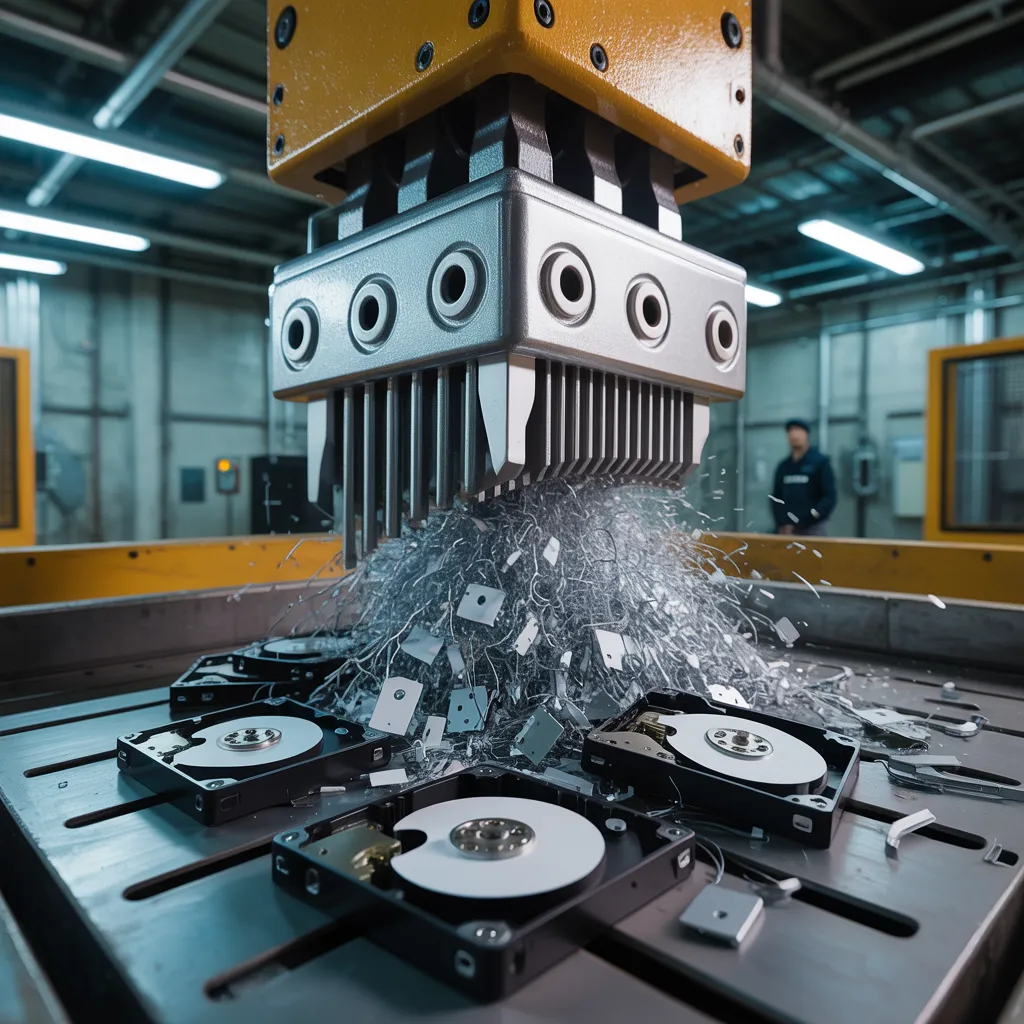
Next, the sorted materials are refined with advanced techniques, such as chemical treatments and shredding, to cleanse them for repurposing.
Finally, the leftover dangerous materials are managed properly, complying with environmental regulations. This comprehensive process not only conserves resources but also mitigates the risks connected to improper e-waste disposal, securing a more eco-conscious future for electronic device usage.
The Benefits of E-Waste Recycling for You and Your Community
While many individuals may not realize it, the advantages of e-waste recycling go far beyond individual benefit and actively shape entire communities. By responsibly disposing of electronic waste, individuals contribute to a healthier environment, reducing harmful substances that can leach into soil and water. This forward-thinking practice actively safeguards local ecosystems and promotes public health.
Furthermore, the recycling of e-waste encourages workforce growth within communities. Local recycling facilities often require personnel for diverse activities, from collection to processing, therefore offering work opportunities for community members. This not only stimulates the local economy but also promotes community participation in sustainable initiatives.
Additionally, understanding of e-waste recycling can lead to educational initiatives, equipping residents to pursue greener alternatives. By enrolling in e-waste recycling programs, individuals promote a culture of sustainability, encouraging others to embrace similar practices. All things considered, the combined impact of these actions can create a more strong and environmentally aware community.
A Guide to Selecting an E-Waste Recycling Service
Selecting the best e-waste recycling service is essential for making sure that electronic refuse is processed in a responsible and sustainable manner. Initially, individuals should confirm the company's credentials, such as e-Stewards or R2, which demonstrate conformance to industry standards for secure waste disposal procedures. Additionally, it is advisable to examine the organization's credibility by reviewing feedback and looking for recommendations from trusted sources.
Next, openness in the recycling process is crucial. A dependable service should supply straightforward details about the manner in which e-waste is managed and what becomes of the materials. Moreover, considering the scope of services provided can prove valuable; some companies may provide pickup services or offer incentives for recycling.
Finally, familiarizing yourself with area-specific requirements for e-waste disposal can help inform the choice of disposal method. When these considerations are given priority, residents can actively participate in efficient electronic waste handling while supporting environmentally responsible practices.
Ways You Can Participate in E-Waste Recycling?
Engaging in e-waste recycling often starts at the local level, where community recycling hubs frequently offer essential services for responsible disposal. Moreover, participating in community awareness campaigns can enhance efforts to raise awareness about the importance of responsible e-waste management. These initiatives not only advance environmental sustainability but also cultivate a collective sense of stewardship of the environment.
Regional Recycling Centers
Several neighborhood recycling stations fulfill a critical purpose in e-waste recycling, supplying communities with reliable ways to dispose of electronic waste responsibly. These stations receive a variety of electronic items, including aging computers, cell phones, and television sets, ensuring that harmful materials are handled safely. Many hubs feature knowledgeable personnel who support individuals in understanding proper disposal practices, stressing the significance of recycling instead of landfilling. Moreover, many centers offer scheduled drop-off occasions or specific collection dates, making participation convenient for residents. By engaging with these local facilities, residents support a circular economy, reducing environmental impact and promoting sustainable practices. Working alongside these hubs allows communities to address e-waste pollution proactively.
Community Awareness Campaigns
Nearby organizations, schools, and enterprises can collaborate to host events that promote e-waste collection drives. Volunteers can play a pivotal role in promoting knowledge, handing out educational content, and interacting with the surrounding community. Through these collective efforts, residents become Browse all more informed and motivated to recycle their electronic waste, thus playing a meaningful role in creating a more environmentally responsible future.
Common Questions and Answers
What Kinds of Electronics Can Be Recycled?
Numerous electronics are able to be recycled, including computers, smartphones, televisions, laptops, gaming consoles, and printers. Moreover, peripherals such as batteries, keyboards, and mice are equally appropriate for recycling, supporting environmental conservation efforts.
Are There Any Costs Associated With E-Waste Recycling?
That's correct, electronic waste recycling sometimes comes with fees, depending on the facility. Some facilities charge fees for gathering or treatment, while others offer free services, typically funded by the sale of reclaimed components.
What Are the Benefits of E-Waste Recycling for Businesses?
Businesses can benefit from e-waste recycling by reducing disposal costs, improving their green reputation, adhering to regulatory requirements, extracting valuable resources, and creating potential earnings via resale, thus supporting a greener and more sustainable operational framework.
What Happens to Data on Recycled Devices?
Data from repurposed devices is commonly irretrievably wiped or eliminated throughout the recycling process. This guarantees confidential data remains secure, blocking unwanted intrusion while allowing components to be reused carefully and ethically in new products.
Can I Recycle Broken Electronics?
Yes, non-functioning electronics may be recycled. Numerous centers take in broken devices, providing proper disposal and retrieval of recoverable materials. It helps minimize harm to the environment while supporting responsible recycling practices to control electrical waste effectively.